Propolis Tincture with Cinnamon
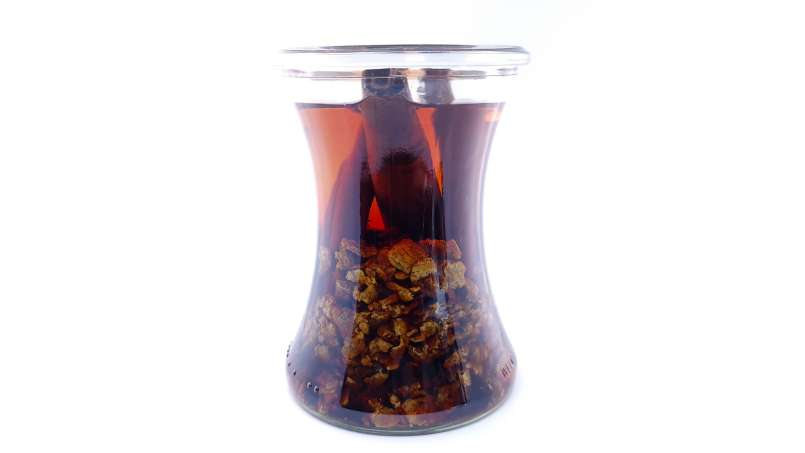
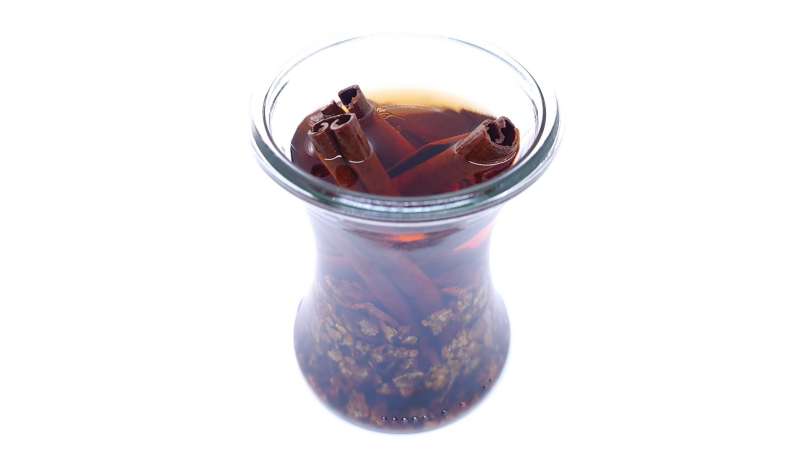
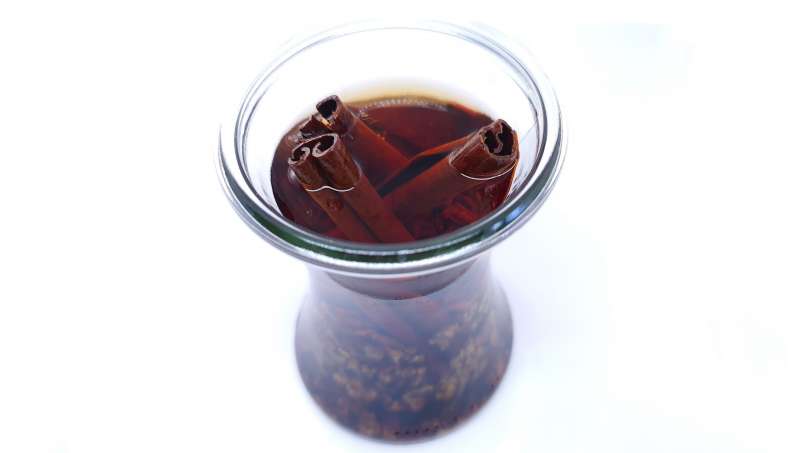

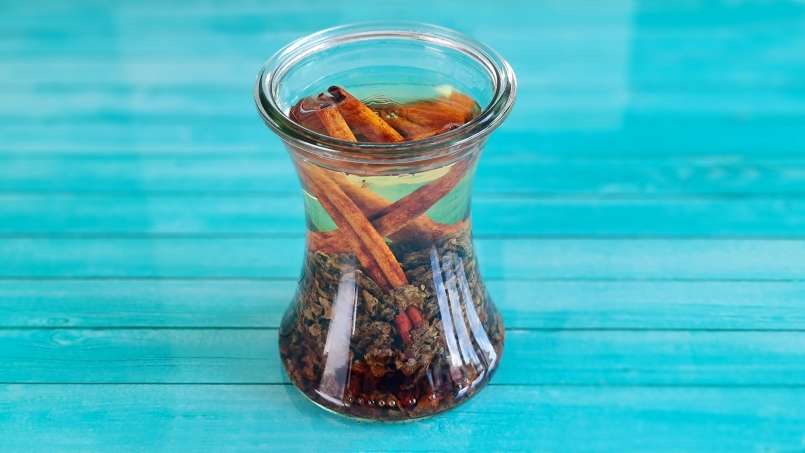
The power of propolis, combined with that of cinnamon—natural support for immunity 🍯✨
Propolis tincture with cinnamon is a concentrated natural remedy, obtained through cold maceration, valued for supporting immunity and promoting throat and respiratory comfort during the cold season. Propolis provides valuable bee-derived compounds, while cinnamon contributes its tonic, antioxidant, digestive, and antimicrobial effects.
Servings: 150 servings
This yields approximately 220–250 ml of filtered tincture, depending on how much liquid remains absorbed by the propolis and sediment. A typical dose for an adult is 30 drops, or about 1.2–1.5 ml.
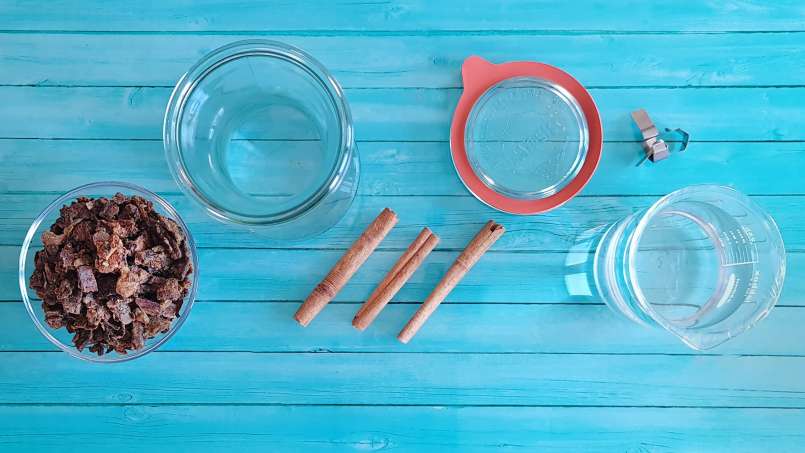
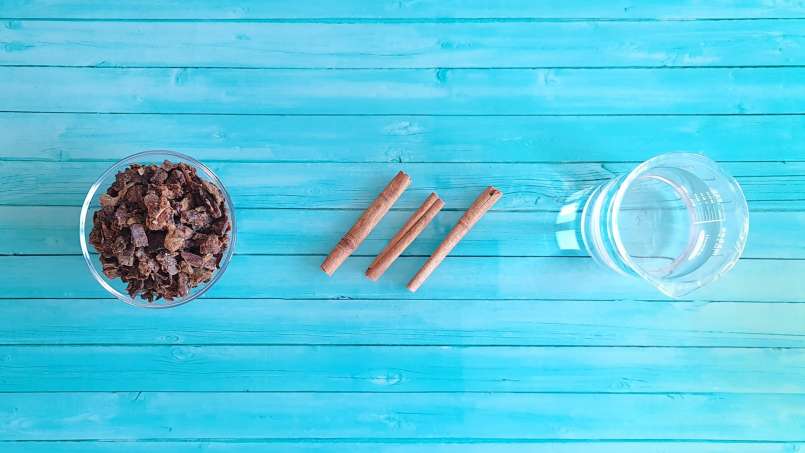
Ingredients
Materials
- - a clean glass jar with an airtight lid;
- - a ceramic knife or utensil for chopping propolis;
- - a wooden, ceramic, or stainless steel spoon or spatula;
- - fine sieve, cheesecloth, or filter for straining;
- - syringe without a needle, pipette, or small funnel;
- - dark-colored glass bottles, ideally with a dropper;
- - label for noting the date of preparation.
Preparation
- Preparing Propolis
Keep the propolis in the refrigerator or freezer for a few hours before preparing it. When it’s cold, it becomes more brittle and can be crumbled more easily without sticking excessively to the utensils. - Chopping
Cut or crumble the propolis into pieces as small as possible. The finer the texture, the better the alcohol can extract the valuable compounds from the propolis. - Putting it in a jar
Add the chopped propolis to a clean, dry glass jar. - Adding Cinnamon
Place the 3 cinnamon sticks on top of the propolis. Cinnamon complements the formula with its active aromatic compounds and is valued for its tonic, antioxidant, digestive, and antimicrobial effects. - Adding Alcohol
Pour 250 ml of food-grade alcohol with an alcohol content of over 70° over the ingredients. The alcohol acts as a solvent to extract the resins, flavonoids, aromatic oils, and other active compounds. - Maceration
Seal the jar tightly, shake it vigorously, and let it macerate for 45 days in a dark, cool place away from direct light. - Shake daily
Shakethe jar daily, especially during the first few weeks. Propolis contains waxes and resins that settle, and shaking helps extract them. - Decanting
Do not shake the jar for the next 24 hours. Let the liquid and heavy particles settle to the bottom. - Filtering
Carefully strain the tincture through cheesecloth, a fine sieve, or a filter. For a clearer tincture, you can draw off the liquid from the surface with a syringe without a needle, taking care not to disturb the sediment. - Bottling
Transfer the tincture to small, dark-colored bottles, preferably ones with droppers. Label the bottles with the name and date of preparation.
Storage 🧊
Ideally, it should be stored in small containers with droppers, as these can be opened quickly and limit repeated exposure to air. Light, heat, and alcohol evaporation can reduce the quality of the tincture over time.
Estimated shelf life: 2–5 years, if prepared correctly, filtered thoroughly, and stored under proper conditions.
⚠️ Storing it in plastic containers is not recommended, as the alcohol can leach unwanted compounds from the plastic and alter the quality of the product.
Administration
📌 For adults
▪️ 20–30 drops, 1–3 times a day;
▪️ It can be taken with honey, on a piece of bread, on a sugar cube, or in a small amount of warm tea.
🔹 For a sore throat
Add 20–30 drops to a teaspoon of honey, mix well, and hold it in your mouth for a few seconds before swallowing.
🔹 For the cold season
It can be taken in short courses of 7–14 days, especially during periods of cold weather, fatigue, colds, or exposure to viruses.
🔹 External use
It can be applied topically, with caution, to small areas of the skin, only if there is no allergy to propolis or sensitivity to cinnamon. For sensitive skin, a patch test on a small area is recommended.
⚠️ Do not apply to deep wounds, extensive burns, sensitive mucous membranes, or severely irritated areas without medical advice.
How can I take this remedy?
The most pleasant way is with honey: add a few drops of the tincture to a teaspoon of honey, stir, and swallow slowly. The honey softens the intense taste of the alcohol and makes the tincture easier to tolerate.
Other options:
▪️ on a small piece of bread;
▪️ on a sugar cube;
▪️ in a spoonful of lukewarm tea (not hot);
▪️ mixed with a small amount of honey for multiple doses.
⚠️ Avoid adding it to cold water, as the resins in propolis can harden and stick to the glass, reducing the effectiveness of the dose.
Observations
Propolis can vary in smell, color, and intensity, depending on the harvesting area, the plants surrounding the hive, and the quality of the raw material.
Cinnamon complements the action of propolis with its tonic, antioxidant, digestive, and antimicrobial effects, making it particularly useful in natural remedies for the cold season.
For internal use, the tincture is best taken with honey, on a small piece of bread, or in a small amount of warm tea. Diluting it directly in cold water is not recommended, as the resins in propolis can harden and stick to the container.
When using it for the first time, it is best to start with a small dose of 2–3 drops to check your body’s tolerance.
The tincture may stain skin, clothing, or surfaces. Fresh stains can be removed more easily with alcohol.
⚠️ This remedy is not a substitute for medical treatment, antibiotics, antivirals, or a specialist consultation, especially in cases of persistent fever, severe infections, severe sore throat, or difficulty breathing.
Effects and benefits
- 🛡️ Supports the immune system
- 🤧 Helps relieve cold and flu symptoms
- 🗣️ Soothes a sore throat
- 🌬️ Promotes respiratory comfort
- 😷 Helps relieve coughs
- 🦠 Natural antimicrobial effect
- 🔥 Anti-inflammatory effect
- ✨ Antioxidant effect
- 🍄 Antifungal / antimycotic effect
- 🦷 Helps maintain oral hygiene
- 😁 Supports gum health
- 👄 May help with minor oral discomfort
- 💪 Supports the body’s recovery during periods of weakness
- ⚡ General tonic effect
- 🍽️ Supports digestion through the addition of cinnamon
- ❄️ Supports the body during the cold season
- 🧣 Useful during periods of cold weather, fatigue, and exposure to viruses
- 💧 Concentrated formula, easy to administer in drops
Side effects
- ⚠️ Allergies to propolis/bee products: redness, itching, swelling, rashes.
- 🔥 Irritation of the mouth, throat, or stomach, especially if taken undiluted.
- 🤢 Nausea, heartburn, or acid reflux in sensitive individuals.
- 🌶️ Discomfort from cinnamon, especially in high doses.
- 🧪 Possible interactions with anticoagulants, antidiabetic medications, or liver treatments.
Contraindications
- ⚠️ Allergy to propolis, bee products, or cinnamon.
- 👶 Young children, pregnancy, and breastfeeding—without medical advice.
- 🥃 People who should avoid alcohol.
- 🧪 Serious liver conditions: hepatitis, cirrhosis, liver failure.
- 🔥 Active gastritis, ulcers, or severe reflux.
- 🩸 Treatment with anticoagulants, antidiabetics, or complex medication regimens.
Propolis is rich in resins, flavonoids, and other bioactive compounds, and is frequently used in natural formulations to support immunity, throat health, oral health, and overall protection during the cold season.
Cinnamon not only enhances the flavor but also provides the tincture with additional tonic, antioxidant, digestive, and antimicrobial benefits. Together, the two ingredients form a concentrated extract suitable for administration in drops.
Food-grade alcohol acts as a solvent and helps extract the compounds from propolis and cinnamon. Therefore, it is important to allow the tincture to macerate for a sufficient amount of time, shake it periodically, and filter it carefully at the end.
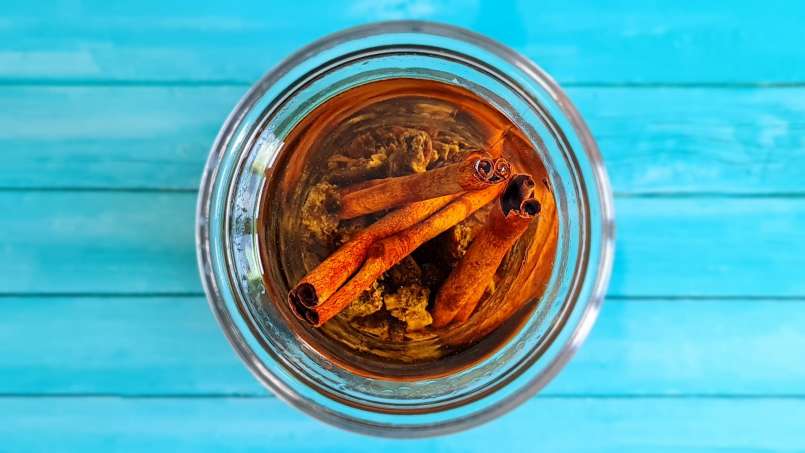
A successful tincture has a dark brown color, a resinous, spicy aroma, and an intense flavor characteristic of propolis and cinnamon. Fine sediment is normal, as propolis contains waxes and particles that do not dissolve completely.
For good results, the quality of the ingredients matters greatly: pure propolis, food-grade alcohol suitable for tinctures, and high-quality cinnamon. For repeated use, Ceylon cinnamon is a milder choice than Cassia cinnamon.
FAQ 💡❓
Why are propolis and cinnamon combined in a tincture?
➡️ Propolis provides valuable bee-derived compounds, while cinnamon complements the formula with its tonic, antioxidant, digestive, and antimicrobial effects. Together, they form a concentrated remedy, particularly well-suited for supporting the body during the cold season.
Is it different from a simple propolis tincture?
➡️ Yes. Propolis remains the base, but cinnamon adds extra tonic and digestive support, complementing the remedy’s profile without altering its primary purpose.
Why is food-grade alcohol over 70° used?
➡️ Propolis contains resins and waxes that are better extracted in a strong alcohol. An alcohol that is too weak can reduce the efficiency of the extraction and the stability of the tincture.
Why does it need to be left to macerate for 45 days?
➡️ Extended maceration allows the alcohol to gradually extract the compounds from the propolis and cinnamon. Shaking the mixture daily helps the ingredients come into better contact with the alcohol.
Is it normal for sediment to form at the bottom of the jar?
➡️ Yes. Propolis contains waxes and particles that do not dissolve completely. For this reason, the tincture should be allowed to settle before filtering and then carefully strained.
What is the best way to take it?
➡️ The simplest way is to take it mixed with honey, on a small piece of bread, or in a small amount of lukewarm tea. This makes the tincture easier to tolerate than taking it straight.
Can it be added to cold water?
➡️ This is not the ideal method. In cold water, the resins in propolis can harden and stick to the glass, causing some of the tincture to be lost.
Can it be taken directly on the tongue?
➡️ Yes, but it is not recommended for sensitive individuals. The alcohol, propolis, and cinnamon can irritate the lining of the mouth or throat if the tincture is taken undiluted.
Can it be used for a sore throat?
➡️ Yes, as an adjunct. A practical option is to add a few drops to a teaspoon of honey and let it dissolve slowly in the mouth before swallowing.
Can it also be used topically?
➡️ Yes, with caution, on small areas of skin. Do not apply to deep wounds, extensive burns, or sensitive mucous membranes, and it is recommended to test it on a small area first.
Why is caution recommended for people with allergies?
➡️ Propolis is a concentrated bee product and may cause allergic reactions in some people. The risk is higher for those who are sensitive to bee products, pollen, or bee stings.
Can cinnamon cause problems?
➡️ Yes, it can irritate the stomach or mucous membranes in some people. Additionally, Cassia cinnamon may contain higher levels of coumarin, which is why excessive use or prolonged use without breaks is not recommended.
Is it suitable for children?
➡️ It is not recommended for young children without medical advice, as the tincture contains alcohol and concentrated extracts. For older children, the dose should be adjusted with caution.
Can it replace medical treatment?
➡️ No. The tincture can be used as a complementary treatment, but it does not replace prescribed treatments, especially in cases of severe infections, persistent fever, severe sore throat, or respiratory problems.
Comments