Intestinal parasites
Intestinal Parasites/Worms, Pinworms: Hidden Symptoms, Prevention, and Natural Remedies That Can Help
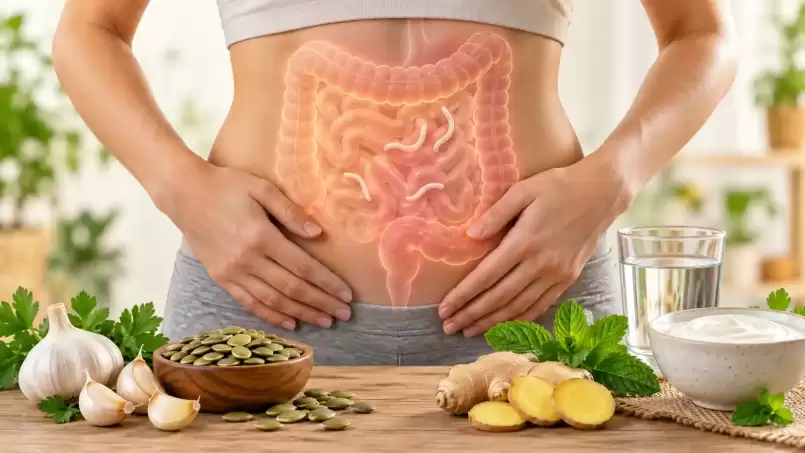
Intestinal parasites can cause abdominal pain, bloating, diarrhea, itching, or fatigue, but sometimes they don’t cause any symptoms at all. Find out how they’re transmitted, which tests can detect them, and what natural remedies can support digestion and prevent reinfection—without replacing the treatment recommended by your doctor.
What are intestinal parasites?
Intestinal parasites are organisms that enter the digestive tract and feed on or grow using the host’s resources. Among the best-known are pinworms, roundworms (Ascaris), Giardia, tapeworms, and other worms or microscopic parasites.
An infestation may go unnoticed, especially when the number of parasites is low. At other times, the body sends signals such as anal itching, abdominal pain, diarrhea, bloating, nausea, weight loss, or unexplained fatigue.
Symptoms alone are not sufficient to establish a diagnosis. They can also occur in cases of food intolerances, irritable bowel syndrome, infections, or other digestive disorders. Therefore, suspected parasitic infection must be confirmed through tests recommended by a doctor.
Causes and Risk Factors
- unwashed hands before meals or after using the restroom;
- inadequately washed fruits, vegetables, and greens;
- drinking water from unsafe sources;
- raw meat, undercooked meat, or meat that has not been inspected by veterinary health authorities;
- touching contaminated soil and then putting one’s hands in one’s mouth;
- walking barefoot on contaminated soil in certain regions;
- traveling to areas with poor sanitation and sewage systems;
- close contact with an infected person, especially in the case of pinworms;
- childcare settings, where parasite eggs can spread easily;
- sharing contaminated towels, linens, or objects;
- inadequate cleaning of bathroom and kitchen surfaces;
- a weakened immune system and certain chronic diseases;
- unhygienic contact with animals or their feces.
Symptoms of intestinal parasite infestation
- abdominal pain or cramps;
- bloating and intestinal gas;
- diarrhea, loose stools, or alternating between diarrhea and constipation;
- nausea, loss of appetite, or, sometimes, frequent hunger;
- severe itching around the anus, especially at night;
- restless sleep and irritability;
- fatigue, weakness, and difficulty concentrating;
- unintentional weight loss;
- dehydration, especially during prolonged bouts of diarrhea;
- pallor or signs of anemia;
- slowed growth in children, in severe and persistent infestations;
- unusual fragments or formations observed in the stool.
Teeth grinding, dark circles under the eyes, and a craving for sweets do not, on their own, confirm the presence of intestinal parasites.
When should you see a doctor?
Seek medical evaluation if symptoms persist, if you’ve noticed parasites in your stool, or if they appeared after traveling, drinking unsafe water, or eating undercooked meat.
A medical consultation is especially important for children, pregnant women, the elderly, and people with weakened immune systems. Severe abdominal pain, blood in the stool, fever, repeated vomiting, dehydration, or significant weight loss require immediate medical attention.
Tests and Diagnosis
Proper treatment depends on the type of parasite. The doctor may recommend a stool examination for parasites, antigen tests, blood tests, or other investigations. Because the shedding of parasites and eggs can be intermittent, multiple stool samples collected on different days are sometimes necessary.
For suspected pinworms, an adhesive tape test may be used, performed in the morning before washing and using the toilet, according to the laboratory’s instructions.
Possible complications
- dehydration and electrolyte imbalances;
- anemia and iron loss;
- nutritional deficiencies and weight loss;
- delayed growth and development in children;
- persistent inflammation and digestive disorders;
- sleep disturbances caused by intense nighttime itching;
- skin infections caused by scratching;
- intestinal blockage in cases of massive infestation with certain worms;
- damage to the liver, lungs, or other organs in certain parasitic diseases;
- spread of the infection within the family or community.
How can intestinal parasites be treated?
1. Diagnosis and Antiparasitic Treatment
Natural remedies cannot replace antiparasitic medications once an infection has been confirmed. Some parasitic infections require specific medications, and the product, dosage, and duration of treatment depend on the identified parasite, the patient’s age, and their overall condition.
Self-medication can delay diagnosis, cause adverse reactions, and may be ineffective if the symptoms have another cause.
2. Hydration and Replenishment of Lost Electrolytes
In cases of diarrhea, the most important supportive measure is fluid intake. Patients can consume water, clear soups, and—in cases of significant fluid loss—oral rehydration solutions prepared or used according to medical recommendations.
3. Simple, Easily Tolerated Diet
During the symptomatic period, small meals consisting of easily digestible foods are recommended: rice, boiled potatoes, cooked carrots, bananas, baked apples, toast, and soups. High-fat foods, alcohol, and large meals can exacerbate digestive discomfort.
4. Restoring the gut flora
Yogurt or kefir containing live cultures can help maintain the balance of the gut flora if they are well-tolerated. Some probiotics may be helpful in certain episodes of diarrhea, but the effect depends on the strain and does not mean that the product eliminates the parasite.
5. Garlic—a traditional food, not a guaranteed treatment
Garlic contains sulfur compounds and can be included in the diet if it does not irritate the stomach. Although it is known in folk tradition as an “antiparasitic” food, there is insufficient clinical evidence to claim that it alone cures an intestinal parasitic infection.
Applying garlic to the anal area is not recommended, as it can cause burns and irritation.
6. Pumpkin seeds
Pumpkin seeds provide protein, unsaturated fats, magnesium, and zinc.They have traditionally been used in treatments for intestinal worms, but should not be considered a substitute for prescribed medications. They can be eaten as food, raw or crushed, in moderate amounts.
7. Ginger and Peppermint for Digestive Comfort
A weak ginger infusion can help reduce nausea, and peppermint can sometimes relieve bloating and mild cramps. These herbs address digestive symptoms, not the parasitic cause.
8. Bitter Herbs and Essential Oils—Exercise Extreme Caution
Wormwood, vetch, black walnut, concentrated cloves, and various essential oils are frequently promoted in “antiparasitic treatments.” Some can be toxic in inappropriate doses, may interact with medications, and can affect the liver or nervous system.
These products should not be given to children, pregnant women, or people with chronic illnesses without medical approval. Essential oils should not be ingested unless a qualified professional has explicitly recommended an approved product and a safe dose.
How can you prevent reinfection?
- Wash your hands with soap and water before meals and after using the restroom.
- Keep your nails short and avoid biting them.
- Wash fruits, vegetables, and greens thoroughly.
- Cook meat thoroughly and avoid eating it raw.
- Drink water only from safe sources.
- Change your underwear daily for the duration recommended by your doctor.
- Wash pajamas, towels, and bed linens at the temperature appropriate for the fabric.
- Clean the toilet, doorknobs, and frequently touched surfaces regularly.
- Do not shake out potentially contaminated linens, as microscopic eggs can spread.
- Use individual towels and do not share personal items.
- Wear shoes on floors that may be contaminated.
- Follow your doctor’s recommendations regarding the evaluation or treatment of family members.
- Treat pets for parasites only according to the schedule prescribed by your veterinarian.
Important: Treating only one person without strict hygiene measures can lead to reinfection—especially in the case of pinworms.
Top Foods That Can Support the Body
- Water and rehydration solutions —help replace fluids lost through diarrhea.
- Vegetable soups —provide fluids and nutrients in an easily digestible form.
- Yogurt and kefir —can support gut flora if dairy products are well tolerated.
- Rice and boiled potatoes —provide energy and are generally easy on the digestive system.
- Bananas —are easy to eat and provide potassium.
- Baked apples —contain pectin and may be easier to tolerate than raw fruit.
- Cooked carrots —provide soluble fiber and carotenoids.
- Oats —provide soluble fiber, provided they do not cause bloating.
- Pumpkin seeds – are nutritious and can complement a balanced diet.
- Garlic —can be used in cooking, in tolerable amounts.
- Ginger – may relieve nausea in some people.
- Fish, eggs, and well-cooked meat —provide the protein needed for recovery.
No single food can reliably eliminate all intestinal parasites. The role of diet is to support hydration, nutrition, and recovery.
Did you know...?
- A person can have intestinal parasites without any obvious symptoms?
- Do stomach pain and bloating alone not indicate the presence of parasites?
- There are microscopic parasites, such as Giardia, and worms that can grow to considerable sizes?
- Pinworms often cause more intense anal itching at night?
- Can pinworm eggs spread to hands, pajamas, bedding, and household items?
- Biting one’s nails can promote transmission and reinfection?
- Does a single negative stool examination always rule out an infestation?
- Are multiple stool samples collected on different days sometimes necessary?
- Is the adhesive tape test used specifically to detect pinworms?
- Can some mild intestinal worm infestations go unnoticed for a long time?
- Can certain parasites cause the loss of iron, protein, and other nutrients?
- Can severe infestations affect children’s physical development and ability to concentrate?
- Can some larvae penetrate the skin when a person walks barefoot on contaminated soil?
- Can contaminated fruits and vegetables transmit microscopic eggs that are invisible to the naked eye?
- Can undercooked meat transmit certain species of tapeworms and other parasites?
- Is clear water not necessarily safe to drink?
- Are pets not the source of all intestinal parasites found in humans?
- Should veterinary medications never be given to humans?
- Can “preventive deworming” done haphazardly cause adverse reactions and mask the real cause of symptoms?
- Do garlic, pumpkin seeds, and bitter herbs not have the same proven effectiveness as prescribed antiparasitic treatments?
- Can some concentrated natural remedies affect the liver or interact with medications?
- Can anal itching have other causes besides pinworms?
- Is teeth grinding not a diagnostic method for parasites?
- Does a craving for sweets not confirm the presence of a parasitic infestation?
- Is hand hygiene one of the most effective methods of prevention?
- Are soap and thorough hand washing essential for removing contaminants?
- Washing and cooking food can interrupt many transmission routes?
- Can reinfection occur even after effective treatment if hygiene rules are neglected?
- In some situations, can a doctor recommend that people living in the same household be evaluated or treated at the same time?
- Is the appropriate treatment for Giardia not necessarily the same as the treatment for pinworms, roundworms, or tapeworms?
- Is identifying the parasite key to choosing an effective and safe treatment?
Conclusion
Intestinal parasites can be prevented and treated, but the first step is to identify the cause. Good hygiene, safe water, proper food preparation, and a balanced diet reduce the risk of transmission and support recovery.
Natural remedies can play a complementary role in hydration, nutrition, and alleviating certain symptoms, but they do not replace the tests and antiparasitic treatment recommended by a doctor.
FAQ 💡❓
Can you have intestinal parasites even if your test results came back negative?
➡️ Yes. Parasites, their eggs, or their cysts are not shed continuously, so a single sample may not detect them. If symptoms persist, your doctor may recommend repeating the stool parasite test or ordering specific tests.
Why is the itching caused by pinworms worse at night?
➡️ Female pinworms migrate around the anus at night to lay eggs. This process causes itching and restless sleep and increases the risk of reinfection through eggs that get trapped under the fingernails from scratching.
If one person has pinworms, should the entire family be checked?
➡️ Pinworms spread very easily among people living together. A doctor may recommend that family members be evaluated or treated at the same time, even if some do not show obvious symptoms.
Can intestinal parasites return after proper treatment?
➡️ Yes. Treatment can eliminate existing parasites, but it does not provide immunity. Reinfection is possible through contaminated hands, linens, food, water, or surfaces, especially if hygiene rules are not followed by the entire family.
Are intestinal worms always visible in the stool?
➡️ No. Some parasites are microscopic, and others shed eggs or fragments only occasionally. Normal-looking stool does not rule out a parasitic infection, and suspicious-looking formations may sometimes be food debris or mucus.
Are pets responsible for pinworms in children?
➡️ Not typically. Human pinworms are primarily transmitted from person to person. Dogs and cats may have other parasites, which is why hygiene and veterinary deworming remain important; however, treatments for animals should not be given to humans.
Does a craving for sweets mean you have intestinal parasites?
➡️ There is no evidence that a craving for sweets confirms the presence of parasites. It can have many causes, and a diagnosis is not based on food cravings, dark circles under the eyes, or teeth grinding.
Can intestinal parasites cause fatigue without abdominal pain?
➡️ Yes. Some infestations can reduce nutrient absorption or contribute to anemia, causing weakness and difficulty concentrating. However, fatigue has many other causes, which is why proper testing is necessary.
Why isn’t there a single effective “antiparasitic treatment” for all cases?
➡️ Pinworms, Giardia, roundworms, and tapeworms are different organisms and do not respond to the same treatment. Choosing a product without identifying the cause may be ineffective and could delay the appropriate therapy.
Can probiotics eliminate intestinal worms or Giardia?
➡️ Probiotics can support gut flora and aid in digestive recovery, but they do not replace antiparasitic treatment. Their effect varies depending on the strain, the product, and the associated digestive issue.
How safe are natural remedies containing wormwood, black walnut, and cloves?
➡️ “Natural” does not automatically mean risk-free. Concentrated extracts can irritate the digestive tract and may interact with
Comments